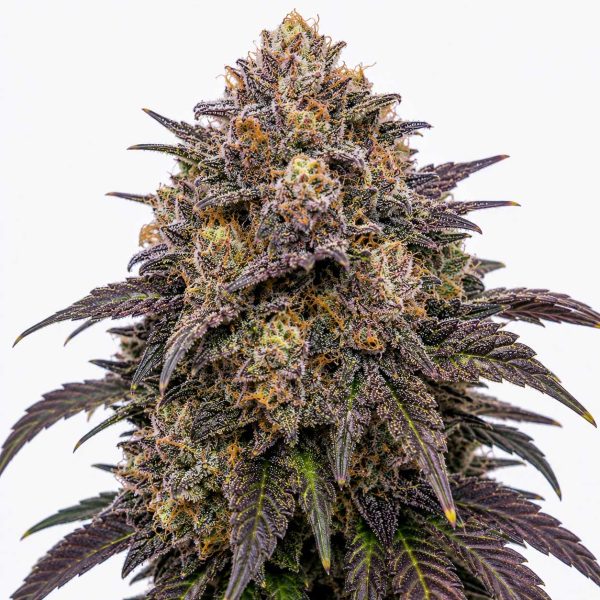
| Genetics | Skunk #1 x Mystery Genetics |
|---|---|
| Auto-Flowering | 8-12wks |
| Sativa Dominant | 80% Sativa x 20% Indica |
| Packeted Size | 10 Seeds, 20 Seeds, 5 Seeds |
Green Crack may be one of the more controversial cannabis strains out there, but rest assured that’s only due to its name. With sativa and indica effects that can be felt for hours on end, and the blast of energy that Green Crack is known to kick-start with, this strain is a popular classic and favorite among many.
Like many cannabis strains, Green Crack has a bit of an ambiguous history. Many believe that it was originally bred in 1970s Athens, Georgia, and that it was here that it picked up most of its sativa traits from its parent plant Skunk #1.
While technically a hybrid, the characteristics Green Crack will show during its growth phase will be mainly sativa. Although it’s only partly sativa, the indica component will keep the plant at a medium height, making it ideal for either indoor or outdoor grows. That being said, it will likely have higher yields when it’s grown outdoors.
When taken outside, Green Crack will do best in a warm Mediterranean climate in a temperature between 70 – 90 degrees Fahrenheit. Growing this strain outdoors is also the perfect opportunity to use a grow medium of healthy, nutrient-rich soil, as the strain will love it and will thrive even more so.
The flowering period is naturally quite short with our Green Crack strain, falling between eight and ten weeks, so growers have to be prepared to trellis the buds as they will come quickly and hang quite heavily. Early on in the flowering period it’s also recommended that the plant is given lots of phosphorus so that the buds have plenty of food before harvest time.

Green Crack may be one of the more controversial cannabis strains out there, but rest assured that’s only due to its name. With sativa and indica effects that can be felt for hours on end, and the blast of energy that Green Crack is known to kick-start with, this strain is a popular classic and favorite among many.
Like many cannabis strains, Green Crack has a bit of an ambiguous history. Many believe that it was originally bred in 1970s Athens, Georgia, and that it was here that it picked up most of its sativa traits from its parent plant Skunk #1.
While technically a hybrid, the characteristics Green Crack will show during its growth phase will be mainly sativa. Although it’s only partly sativa, the indica component will keep the plant at a medium height, making it ideal for either indoor or outdoor grows. That being said, it will likely have higher yields when it’s grown outdoors.
When taken outside, Green Crack will do best in a warm Mediterranean climate in a temperature between 70 – 90 degrees Fahrenheit. Growing this strain outdoors is also the perfect opportunity to use a grow medium of healthy, nutrient-rich soil, as the strain will love it and will thrive even more so.
The flowering period is naturally quite short with our Green Crack strain, falling between eight and ten weeks, so growers have to be prepared to trellis the buds as they will come quickly and hang quite heavily. Early on in the flowering period it’s also recommended that the plant is given lots of phosphorus so that the buds have plenty of food before harvest time.
Fast harvest cycles — autoflowers flip to flower automatically based on age, not light schedule, so they finish in roughly 8–10 weeks from seed. You can fit multiple harvests per season.
Great for beginners — no light-timer changes or light-deprivation tricks required. Just plant, water, and let them run; they’re forgiving of mistakes.
Discreet and compact — most stay short and bushy, which makes them ideal for small tents, balconies, or any space-limited setup.
Indoor or outdoor friendly — since flowering is automatic, you can grow them almost year-round outdoors in good climates, not just in the summer-to-autumn window photoperiods need.
Ruderalis genetics add resilience — they inherit hardiness from Cannabis ruderalis, including decent resistance to pests, mold, and cooler conditions, plus better tolerance of imperfect environments.
Less equipment and energy — no need for separate veg and bloom light schedules or exact 12/12 timing, which can cut electricity and gear costs.
Low maintenance — fewer training needs and minimal pruning; many growers just “set and forget” until harvest.