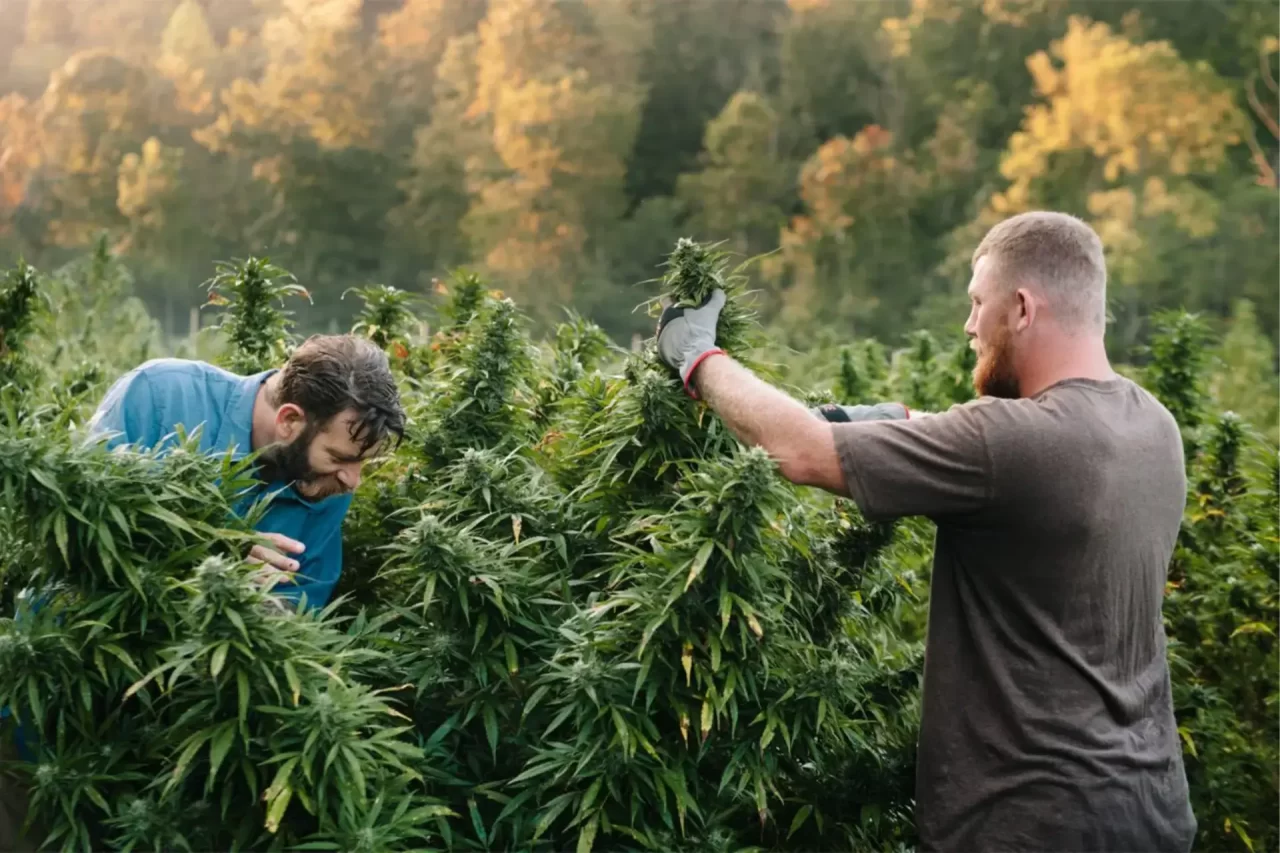
Sativa Effects
In contrast to indica, sativa cannabis seeds produce plants that are known for uplifting and energizing effects. Sativa strains are often associated with increased creativity and focus, making them suitable for daytime use. People who need a mental boost to get through their creative processes or who want to remain active and alert often prefer sativa. Its effects are more cerebral and can enhance productivity without the sedative effects that indica strains might bring.
Which Type is Best for Daytime vs. Nighttime Use?
For those looking to manage daytime stress and require a clear head, sativa is the best choice due to its energizing and focusing effects. However, for individuals seeking relief from nighttime ailments such as sleep disorders or significant pain, indica is preferable for its strong medicinal cannabis strain properties and ability to promote relaxation.
Exploring Hybrid Cannabis Strains
How Are They Created?
Hybrid cannabis strains are the result of crossbreeding between indica and sativa plants, designed to combine the best characteristics of both. By manipulating genetics, breeders can create strains that offer a balance of effects, such as relaxation from indica with the mental clarity of sativa. These hybrids can be either indica-dominant or sativa-dominant, or they can offer a balanced 50/50 mix, providing a versatile range of effects that cater to different needs and preferences. Creating
hybrid cannabis strains involves careful selection of parent plants, which must have desirable traits to pass on to the offspring, ensuring quality and consistency in hybrid strains that meet specific therapeutic or recreational goals.
Popular Hybrid Strains and Their Unique Effects
Many of these strains have gained legendary status due to their well-balanced nature and distinct flavor profiles. Below are some of the most popular hybrid strains for relaxation and their unique effects, helping users make informed choices based on their desired experience:
- Blue Dream: Originating in California, it crosses Blueberry with Haze, creating a strain that delivers both cerebral stimulation and soothing relaxation. The high begins with a gentle mental uplift, promoting creativity and focus without overwhelming the user. As it settles in, the indica influence from the Blueberry genetics kicks in, offering full-body relaxation without excessive sedation. This makes it an excellent choice for daytime use, allowing users to remain productive while enjoying stress relief. Its flavor profile is a blend of sweet berry and herbal notes, making it as enjoyable to taste as it is to experience.
- Gorilla Glue: Sometimes referred to as GG4, it is a powerful hybrid that has gained recognition for its extremely potent, couch-locking effects. This strain is a cross between Sour Dubb, Chem’s Sister, and Chocolate Diesel, resulting in a high THC content that can reach up to 30%. The name “Gorilla Glue” comes from its ability to “glue” users to the couch, making it an excellent option for those in need of deep relaxation and pain relief. The experience begins with a wave of euphoria, lifting the mind into a calm but mentally clear state before transitioning into a heavy body high. The flavor is a mix of earthy, diesel-like tones with hints of chocolate and coffee, making it a unique sensory experience.
- Pineapple Express: Made famous by its namesake movie, Pineapple Express is a well-balanced hybrid that delivers an energetic yet soothing high. A cross between Trainwreck and Hawaiian, this strain boasts a tropical fruit-forward flavor with notes of pineapple, citrus, and cedarwood. The high is almost instant, providing an uplifting, euphoric rush that sparks creativity and productivity, making it a great choice for those needing an extra boost during the day. Despite its sativa-leaning nature, it still offers a gentle body relaxation that prevents overstimulation, allowing users to feel refreshed but grounded. Pineapple Express is commonly used for stress relief, depression, and mild fatigue, as it helps improve mood without inducing drowsiness.
Hybrid strains continue to evolve, offering users an endless variety of balanced effects and complex flavor profiles. By understanding the unique characteristics of each strain, users can tailor their experience to their needs, ensuring they get the most out of their cannabis consumption.
Beginner-Friendly Strains for a Smooth Experience
Cannabis strains for beginners should not overwhelm with potency or induce adverse reactions. Hybrid strains are often recommended for beginners because they provide a balanced effect that allows new users to familiarize themselves with both the relaxing and energizing aspects of cannabis without being too intense. Starting with a strain that has a lower THC content and a higher CBD content can also help mitigate some of the more intense psychoactive effects while still providing therapeutic benefits.
Growing Indica, Sativa, and Hybrid Strains
Sativa Cultivation Challenges and Best Practices
Without proper care, these plants can outgrow their growing space, suffer from stress, or fail to develop dense buds. However, with the right techniques, cultivators can maximize their potential and achieve high-quality yields. Below are essential best practices to consider when growing sativa strains:
- Optimal Lighting: These strains originate from tropical regions where sunlight is abundant, so growers must replicate these conditions as closely as possible. For outdoor growers, selecting a location with direct sunlight for at least 10-12 hours a day is ideal. Indoors, high-intensity discharge (HID) lights such as metal halide (MH) and high-pressure sodium (HPS) bulbs work well, as they provide intense illumination that encourages photosynthesis. LED grow lights are also effective, particularly full-spectrum LEDs that mimic natural sunlight while consuming less electricity. Adjusting light cycles is crucial, with a vegetative phase requiring 18-24 hours of light per day and a flowering phase needing 12 hours of uninterrupted darkness to trigger bud production. Proper positioning and height adjustments will help prevent light burn while ensuring even coverage across all plant areas.
- Climate Control: Maintaining an indoor temperature range between 70-85°F (21-29°C) ensures optimal growth, while outdoor growers should aim to plant in late spring to take advantage of the natural warmth. Humidity control is also essential, with 40-50% being an ideal range to prevent moisture-related issues such as mold or bud rot. In humid environments, dehumidifiers and proper airflow techniques can help keep conditions stable. On the other hand, excessively dry environments may require the use of humidifiers to maintain adequate moisture levels. Ensuring adequate ventilation is key, as sativa plants tend to develop elongated branches and airy bud structures, which benefit from consistent air circulation. Using oscillating fans or exhaust systems can help maintain fresh airflow and prevent heat buildup, especially in enclosed grow spaces.
- Pruning and Training: Due to their naturally vigorous growth, sativa plants require strategic pruning and training techniques to maintain manageable heights and improve overall yields. Left unchecked, these plants can easily exceed several feet in height, making them difficult to cultivate indoors. Pruning involves removing lower leaves and branches that receive minimal light, which helps direct energy to the upper canopy where buds develop. Techniques such as topping, where the plant’s main stem is cut to encourage lateral growth, are helpful in controlling vertical height. Another effective method is Scrogging (Screen of Green), which involves using a horizontal net to train plants to grow outward rather than upward, increasing light penetration and bud production. Low-stress training (LST) is also beneficial, where branches are gently bent and tied down to create a more even canopy, maximizing light exposure and airflow throughout the plant.
- Extended Vegetative Growth: One of the defining characteristics of sativa strains is their prolonged growth cycle, requiring a longer vegetative period compared to indica varieties. Extending the vegetative phase allows plants to develop a strong structure that can support the weight of large buds during flowering. Typically, sativa strains should remain vegetative for at least 4-6 weeks, though some growers extend this period further for outdoor plants. This additional time helps build a sturdy root system and promotes thicker stems that can withstand environmental stressors such as wind or heavy buds. Once the flowering stage begins, sativa plants experience a rapid vertical growth spurt, often doubling or tripling height. This stretch can be managed by gradually transitioning light cycles and ensuring that nutrients are adjusted to support the plant’s changing needs. Support structures such as stakes or trellises can help prevent branches from bending under the weight of developing flowers.
Successfully cultivating sativa strains requires patience, attention to detail, and a willingness to adapt to their unique growing needs. Growers who take the time to optimize their environment and employ strategic techniques will be rewarded with resinous, aromatic buds that capture the essence of Sativa’s uplifting effects.