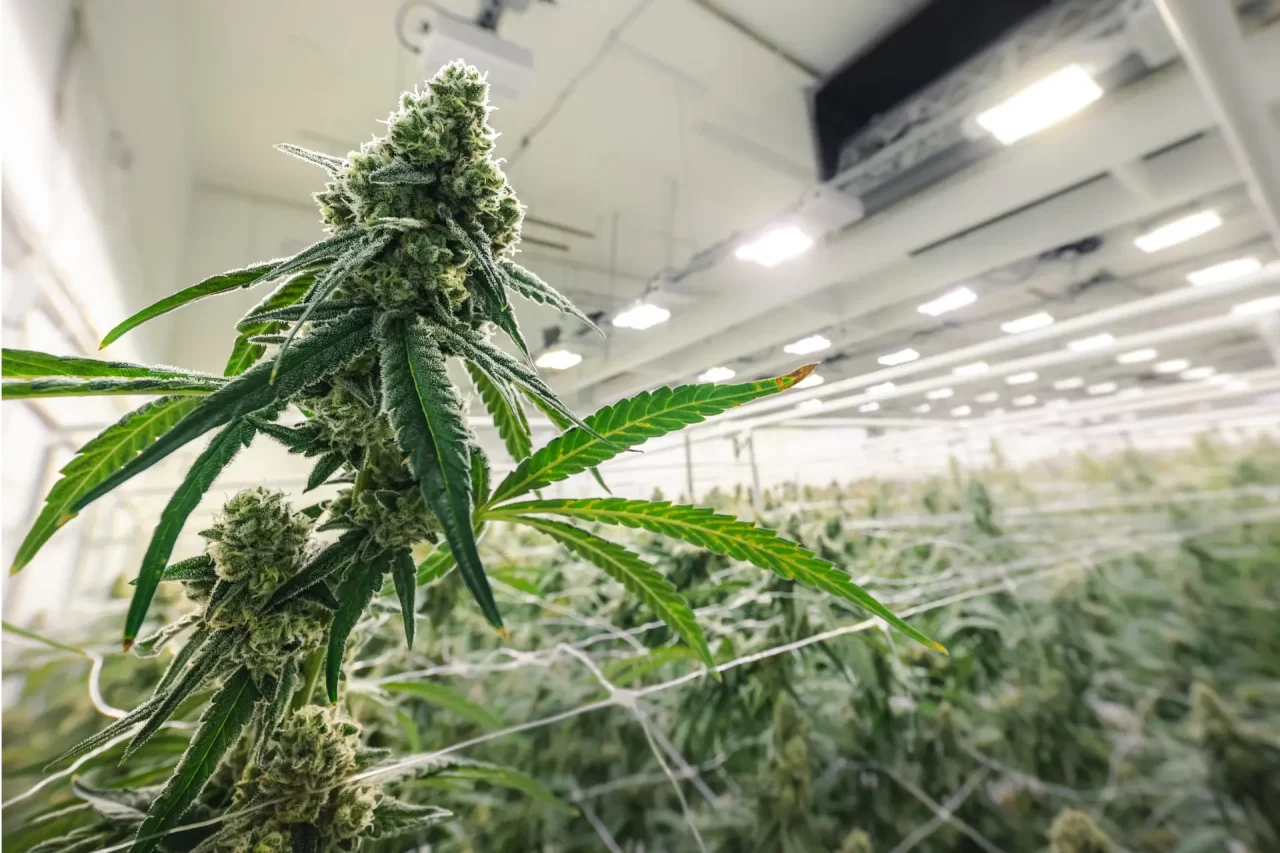
Cannabis strain genetics play a pivotal role in the cultivation process, influencing everything from plant resilience to the quality of the final product. At its core, the genetic makeup determines how a plant will respond to its environment and manage resources like light and nutrients. This genetic foundation is crucial for growers aiming to achieve high yields and specific cannabinoid profiles. Understanding these genetics helps in optimizing yield with cannabis by allowing breeders to select traits that enhance growth and cannabinoid production under various growing conditions.
The Science Behind Cannabis Genetics
Growth, Resistance, and Cannabinoid Content
Cannabis plants exhibit a wide array of genetic traits that significantly influence their growth patterns, disease resistance, and the concentration of cannabinoids like THC and CBD. Strain genetics are crucial as they determine how a plant reacts to environmental factors and its overall productivity. For instance, some strains are genetically predisposed to thrive in specific climates, offering robustness against local pests and diseases, which in turn optimizes their survival and yield. The genetic makeup of a cannabis plant affects the type and amount of cannabinoids it produces.
The Role of DNA Sequencing
Advancements in biotechnology have introduced DNA sequencing into cannabis cultivation, enhancing the breeder’s ability to select desired traits with precision. Marker-assisted breeding involves identifying specific segments of DNA associated with desirable traits and using these markers as a guide in the breeding process. This method is highly efficient in developing strains that carry attributes like high THC content, resilience to environmental stresses, or faster growth rates. By focusing on these genetic markers, breeders can more quickly and accurately develop strains that meet specific goals, significantly optimizing yield with cannabis.
Understanding Phenotypes and Genotypes
The genotype refers to the genetic code inherited by the cannabis plant, while the phenotype is the actual expression of genetics, influenced by the environment. Understanding the relationship between genotype and phenotype is essential for knowing how to breed cannabis effectively. Two plants with the same genotype can develop different phenotypes if grown in varying conditions.
How Breeders Select for High-Yielding Strains
Selecting high-yielding cannabis strains involves more than just choosing plants that produce large quantities of flowers. Stability in the genetic expression across generations is equally important. Breeders prioritize strains that deliver abundant yields and exhibit consistent traits batch after batch. Stability is crucial for cultivators who need to ensure that each crop meets specific standards for potency.
Crossbreeding Techniques for Cannabis
The Art of Hybridization
This is a cornerstone technique in developing top cannabis strains that boast improved yields and specific desirable traits. It involves crossing two genetically different cannabis plants to produce a hybrid that combines the best characteristics of both parents. For instance, a strain known for its drought tolerance can be crossed with another that produces larger buds, aiming to cultivate a new variant that inherits both attributes. Hybridization not only enhances the impact of cannabis genetics on yield but also contributes to biodiversity, giving rise to unique strains that can be further tailored to meet specific grower and consumer demands.
Backcrossing and Selective Breeding
To ensure that desirable traits are maintained over generations, breeders employ techniques like backcrossing and selective breeding. Backcrossing involves crossing a hybrid offspring with one of its parents or another plant that shares similar genetics to reinforce specific traits in subsequent generations. This method helps in stabilizing the genetic characteristics, making the plants more predictable and consistent in their performance. On the other hand, selective breeding requires choosing only the plants that best express the desired traits for future breeding, thus gradually enhancing these traits within the strain lineage.
Understanding Polyhybrid and Landrace Strains
Exploring the complexity of polyhybrid strains offers insights into the sophisticated level of breeding required to combine multiple traits from various lineages. Polyhybrids are developed by crossing hybrids with other hybrids, which can lead to an extensive combination of traits, though often at the cost of predictability. Conversely, landrace strains, which are indigenous to specific geographic regions and have developed over hundreds or thousands of years, provide a genetic baseline that is often used to introduce robust, time-tested characteristics into modern hybrid strains. This approach is vital for preserving genetic diversity while fostering new varieties with enhanced yields and resilience.
Breeding for Pest Resistance, Climate Adaptability, and Vigor
By selecting and enhancing genes responsible for these traits, breeders can create strains that yield well, are more robust, and require fewer resources in terms of pest control and environmental management. The vigor of a plant, its growth rate, and overall health, is also a critical trait that breeders aim to improve, ensuring that the plants can thrive and produce bountiful yields under various growth conditions.
Terpene Influence on Cannabis Yield and Quality
How Terpenes Affect Aroma and Flavor
Terpenes are aromatic compounds found in cannabis that contribute significantly to its aroma and flavor profile. More importantly, terpenes work synergistically with cannabinoids to enhance their therapeutic effects, a phenomenon known as the entourage effect. This interaction can influence the potency and overall experience of cannabis, making terpene profiles a critical focus in breeding and cultivation practices. Breeders often select for strains rich in specific terpenes like myrcene, limonene, or pinene to target certain flavors or therapeutic outcomes.

Selecting Terpene-Rich Strains
Cultivators are increasingly focusing on breeding strategies that enhance terpene concentrations within their crops. By choosing parent plants known for their robust terpene profiles, breeders can develop offspring that inherit these aromatic qualities. Such strains cater to the preferences of connoisseurs and attract a broader market base seeking specific sensory experiences and health benefits associated with rich terpene content.
Optimizing Environmental Conditions
Several factors can significantly influence terpene synthesis in cannabis. Here’s how cultivators can adjust these elements to boost terpene production:
- Light Exposure: Manipulating light exposure is one of the most effective methods to boost terpene synthesis in cannabis plants. Terpenes, being light-sensitive compounds, respond dramatically to the quality and intensity of light in the grow environment. Increasing light levels, particularly during the flowering stage, can stimulate the plant’s natural defense mechanisms, producing terpenes that help protect against pests and UV damage. Integrating UV-B lighting has been shown to amplify this effect further, as it can trigger specific biochemical pathways that increase the concentration of certain terpenes associated with robust flavor profiles and heightened medicinal benefits. In a controlled setting, growers can experiment with various light spectrums and intensities to determine the optimal conditions for their particular strains. The strategic use of reflective materials and adjustable lighting systems ensures that light is evenly distributed across the entire canopy, reducing the risk of uneven terpene expression.
- Temperature Control: Slightly lower temperatures, especially towards the end of the flowering stage, can induce a form of moderate stress that encourages plants to increase their terpene production as a natural defense mechanism. When managed carefully, this controlled stress can enhance the preservation of delicate terpenes that might otherwise volatilize or degrade at higher temperatures. However, it is essential to strike a delicate balance—overly cold conditions can hamper plant growth and metabolism, while excessive heat can accelerate terpene evaporation and lead to a loss of flavor and aroma. Implementing precise climate control systems that regulate temperature fluctuations is therefore crucial. Growers can utilize thermostatically controlled air conditioning or heaters to maintain optimal conditions, ensuring that the environment remains within a narrow, ideal range.
- Humidity Levels: Lowering humidity levels during this critical period helps to reduce the risk of mold and mildew, which can degrade terpenes and compromise both yield and quality. Maintaining a controlled humidity environment, typically around 40-50%, ensures that volatile compounds are preserved while still providing enough moisture to support plant health. Advanced dehumidifiers and climate control systems can be employed to keep the ambient humidity within this ideal range, preventing excessive moisture that could lead to fungal infections or other issues. Also, the reduction of humidity has the added benefit of minimizing the evaporation of delicate terpenes, ensuring that the aromatic profile of the cannabis remains intact until harvest.
- Harvest Timing: Terpenes reach their peak concentration at a very specific stage in the plant’s development, just before it fully matures. Harvesting at this precise moment ensures that the final product retains the maximum aromatic intensity and flavor complexity. Waiting too long can result in the natural degradation of these volatile compounds, while harvesting too early may mean that the plant has not yet developed its full terpene potential. Cultivators must monitor the trichome development closely, using magnification tools to assess the maturity of the resin glands. The appearance of milky white to amber trichomes can indicate the optimal time for harvest, providing a visual cue that the terpenes are at their peak.
Embracing these practices leads to a more rewarding and successful growing experience, where the true potential of cannabis is fully realized.
Selecting the Best Cannabis Seeds for Optimal Yield
Feminized, Autoflowering, and Regular Seeds
Choosing the right type of cannabis seeds is foundational to achieving optimal yield and quality. Feminized cannabis seeds are engineered to produce only female plants, which are the ones that produce buds. This eliminates the risk of male plants pollinating females, resulting in seeded flowers. Autoflowering seeds, on the other hand, are bred to flower automatically after a certain age, regardless of the light cycle, making them ideal for beginners or those looking for a quick turnaround. Regular seeds produce male and female plants and are typically used by breeders looking to create new strains or by cultivators who prefer a more natural approach.
Reputable Cannabis Seed Banks
When it comes to buying cannabis seeds, the source is just as important as the seed type. Reputable online cannabis seed shops ensure that the seeds have high genetic purity and viability, which are crucial for healthy plant development and consistent yield. Purchasing from a trustworthy source also reduces the risk of encountering poor germination rates or genetic inconsistencies, which can significantly affect the cultivation process.
Optimizing Growing Conditions to Maximize Genetic Potential
Soil vs. Hydroponic Systems
Soil systems offer a natural buffer and a wide range of nutrients that can be beneficial for plant health and stress resistance. Hydroponic systems, however, allow for precise control over nutrients and water, leading to faster growth rates and potentially higher yields. Each system has its specific benefits, and the choice largely depends on the cultivator’s resources, experience, and specific strain requirements.
Nutrient Management for Different Growth Phases
Achieving optimal cannabis growth requires a strategic approach to nutrient management throughout the different developmental stages. Each growth stage demands a different balance to support optimal plant performance:
- Vegetative Stage: Nitrogen is a crucial element for building chlorophyll, the pigment responsible for capturing light and facilitating photosynthesis. A nutrient plan at this stage should be formulated to provide ample nitrogen, support vigorous leaf and stem growth, and ensure the plant can maximize its energy production. In addition to nitrogen, a balanced mix of other macro and micronutrients should be included to reinforce cellular development and promote resilient roots. This stage is critical because robust vegetative growth lays the foundation for future flowering success, and ensuring a steady supply of nutrients can prevent issues such as nutrient deficiencies or imbalances that may stunt growth.
- Flowering Stage: At this phase, phosphorus and potassium become the cornerstone nutrients, as they are essential for stimulating bud formation, enhancing flower density, and supporting overall reproductive growth. A nutrient regimen designed for flowering should reduce nitrogen levels to avoid excessive vegetative growth, while boosting phosphorus to encourage strong root development and potassium to regulate water uptake and enhance the plant’s metabolic processes. The careful balance of these nutrients supports a robust flowering phase and influences the final product’s potency, flavor, and aroma. By providing the right phosphorus and potassium levels, growers can optimize the energy allocation within the plant, ensuring that more resources are directed towards bud development rather than vegetative structures.
- Micronutrients: Calcium is critical for cell wall stabilization and signaling pathways that regulate growth, while magnesium plays a central role in chlorophyll production, directly impacting photosynthesis. Iron, on the other hand, is involved in energy production and the synthesis of chlorophyll as well, making it vital for plant metabolism. A well-balanced nutrient management program should incorporate these micronutrients consistently across all growth stages to prevent subtle deficiencies that can lead to chlorosis, stunted growth, or reduced resistance to stressors. Supplementing with micronutrients can be particularly important in soils that are naturally low in these elements or in systems that rely heavily on organic fertilizers, where the availability of trace minerals might be limited.
A comprehensive approach to nutrient management supports robust plant development and lays the groundwork for a bountiful harvest characterized by quality and potency, ensuring long-term success in cultivation.
For ongoing success in cannabis cultivation, it is crucial to adopt a proactive approach to improving strain selection and cultivation practices. This involves staying updated with emerging trends in cannabis genetics and yield, experimenting with new growing techniques, and adopting sustainable practices that enhance crop yield and quality while minimizing environmental impact. Regular adjustment of cultivation strategies based on plant performance and market demand can lead to continuous improvement and innovation in cannabis production.